
Understand the key differences between villa and cottage stays so you can pick the right walpole accommodation for your next trip.
When it comes to planning a getaway, one of the first decisions you’ll make is what kind of accommodation to pick. Are you going for a spacious, upscale “villa” experience — or a quaint, cosy “cottage” retreat? The difference may seem subtle at first glance, but it can strongly influence your overall stay: how much space you’ll have, what amenities you’ll enjoy, how immersed in nature or near shops / town you’ll be, and how the vibe feels.
To help steer you, this post explores the key differences between a villa stay and a cottage stay, and uses the example of Bayside Villas in Walpole (Australia) to illustrate what a modern villa stay can offer. By the end, you’ll hopefully have better clarity about which type suits your next trip.
What is a Villa Stay?
A “villa” stay typically implies a larger, self-contained accommodation unit — often with high-quality amenities, multiple bedrooms, and a layout that gives guests privacy and flexibility. In many holiday-resort contexts, villas are positioned as premium options for families, groups or travellers who want more space and home-like facilities.
Example: Bayside Villas, Walpole
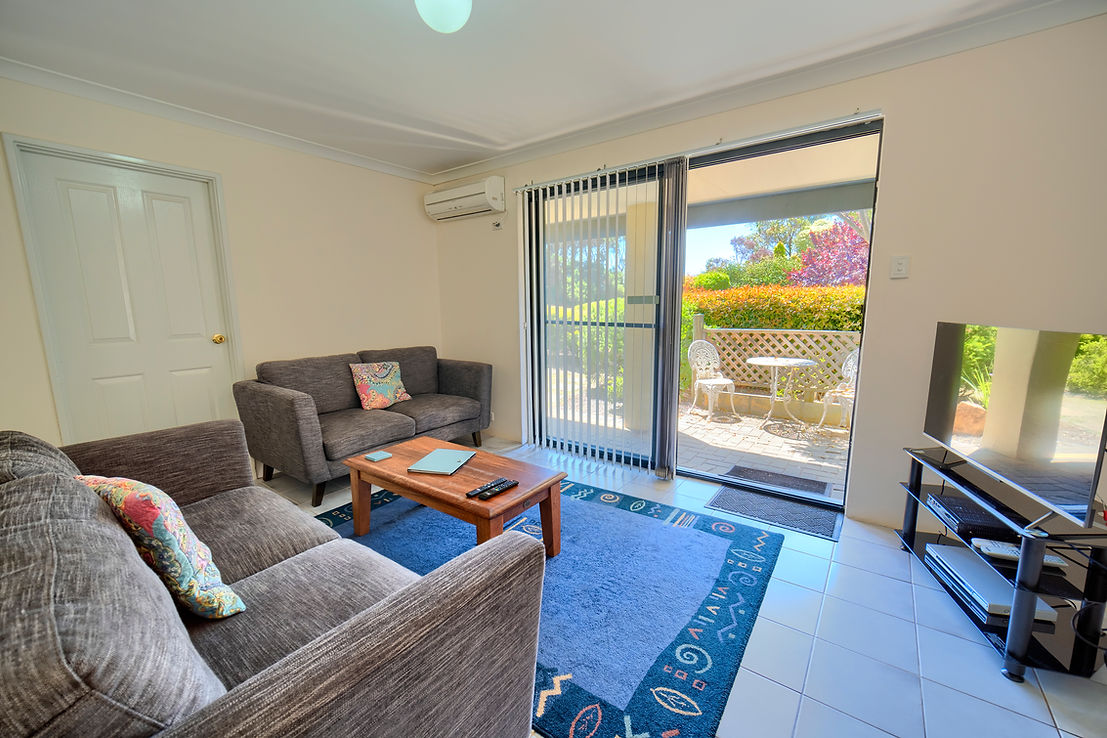
Bayside Villas in Walpole offers six “beautifully appointed villas” in Walpole with a choice of 2 or 3 bedrooms, in either single- or double-level formats.
Each villa is self-contained and includes:
- a fully-equipped kitchen, TV/DVD player, laundry facilities.
- Heating/cooling (reverse cycle) system.
- Some units have added features: log fireplace, spa bath, balcony, private courtyard.
- Location: “a stone’s throw from the shopping centre and town jetty” — meaning a mixture of tranquility and convenient access
These attributes underscore the “villa” feel: space, independence, comfort, and flexible usage (e.g., cooking, laundry, relaxing).
Advantages of a villa stay
- More space: multiple bedrooms, living/dining areas, sometimes outdoor spaces.
- Home-style amenities: kitchens, laundry, possibly luxury features (spa, fireplace).
- Good for groups/families: ability to spread out, share facilities, self-cater.
- Location variety: can be near town/activities (as with Bayside) or more secluded.
Potential drawbacks
- Generally higher cost per night (especially when including larger space + amenities).
- More responsibility: you may need to self-cater, manage the unit like a home..
- Less “hotel-style” service: may not include daily housekeeping, on-site restaurant, etc.
What is a Cottage Stay?
In contrast, a “cottage” stay typically suggests a smaller, more intimate accommodation unit — often in a rural or semi-rural setting — imbued with “charm”, simplicity and a cozier scale of living.
From accommodation-industry definitions:
- A cottage is “a small house for vacation use
- It is often “small, cosy … in semi-rural locations” and popular as holiday homes.
Characteristics of a cottage stay
- Typically fewer bedrooms (often 1–2), simpler layout.
- Ideal for couples or small families seeking a retreat rather than full luxury.
- Self-catered (kitchen or kitchenette), but possibly fewer luxury extras.
- More rustic or rural setting: nature, village life, quieter pace.
Potential drawbacks
- Generally higher cost per night (especially when including larger space + amenities).
- More responsibility: you may need to self-cater, manage the unit like a home..
- Less “hotel-style” service: may not include daily housekeeping, on-site restaurant, etc.
Advantages of a cottage stay
- Generally higher cost per night (especially when including larger space + amenities).
- Potentially more affordable (especially for smaller groups).
- Often emphasizes connection with nature, quiet, escape from hustle.
Advantages of a cottage stay
- Generally higher cost per night (especially when including larger space + amenities).
- Fewer luxury amenities (unless premium cottage).
- If remote, you may need to drive or arrange transport to local services.
Key Differences Between Villa vs Cottage Stay
Here’s a comparison to help you differentiate clearly:
| Feature | Villa | Cottage |
|---|---|---|
| Size & Layout | Larger; multiple bedrooms; living/dining areas | Smaller; simpler layout; fewer bedrooms |
| Amenities | Full kitchen, laundry, possible spa/fireplace | Basic kitchen; fewer extras |
| Atmosphere | Home-away-from-home; comfortable & flexible | Cozy, intimate, often rustic |
| Best for | Families, groups, longer stays | Couples, small families, short retreats |
When to Choose a Villa vs When to Choose a Cottage
Here are some decision-making guidelines:
Choose a Villa if:
- You are travelling with family, group of friends, or need several bedrooms.
- You value space, comfort, amenities (kitchen/laundry), maybe luxury touches.
- You want a combination of nature + convenience (town access).
- Your budget allows for a more premium stay.
Choose a Cottage if:
- You’re travelling as a couple, or a small family and don’t need a large unit.
- You want a cosy, simpler, quieter retreat, perhaps off the beaten track.
- You are more budget-conscious or want to prioritise location/nature over luxury.
- ou don’t need large kitchen/laundry amenities and are fine with simpler facilities.
Conclusion
In summary, the choice between a villa stay and a cottage stay comes down to space, amenities, atmosphere and your travel needs. Villas lean toward larger, more premium, home-style stays with flexibility; cottages lean toward smaller, cozier, simpler retreats often in natural settings.
By reflecting on your group size, budget, travel purpose and preferred style, you can decide which accommodation type best suits your next getaway. And as the case of Bayside Villas shows, a well-appointed villa can offer a compelling combination of comfort, convenience and style.